Work Planning Phases:
Once a client issues a work order, service contract, or notice to proceed, LCDC begins the project planning phase. We go through the following procedures, which parallel the client’s requirements and preferences. Since demolition is a process of strategy and technique, we implement each stage with the utmost care. The Project Manager and Superintendent must become familiar with all aspects of the project, as well as any and all safety precautions that will be required.
Pre-mobilization –The following tasks are initiated prior to the mobilization of personnel and equipment to the job site:
Submittals – All client-required documents, such as insurance certificates, permits, and licenses, shall be submitted prior to arrival on site or upon request.
Support Services – Necessary support services shall be determined and established. The procurement of necessary materials and supplies is also done at this time. Typically required support services include:
Initial Site Set-Up – Once the project start date has been determined, initial site setup and other events are set in motion, including the following processes:
Mobilization – Personnel and equipment preparation for transport to the designated job site is initiated, including arranging for an office, tool trailers, equipment, and supplies scheduled for delivery to the site; hiring of local personnel (if required) is also done at this time.
Work Preparations – Initial work preparations begin at this point and include the following tasks:
Work Scheduling and Training – Projected work plans are completed at this point and are communicated to the appropriate personnel. The work plan, as determined from the clients’ work scope and schedule, shall follow an anticipated sequence of events.
Based upon the project’s scheduled tasks, employees shall receive the appropriate additional training in hazard recognition and prevention as it applies to the intended work activities at the site. Any additional training deemed appropriate by project management and safety personnel shall be incorporated into the site training.
Work Plan Methodology – The work plan shall include information from site observations, safety and health surveys, and hazard assessments performed at the site by the LCDC project management, engineers, and safety personnel.
Demolition Safety
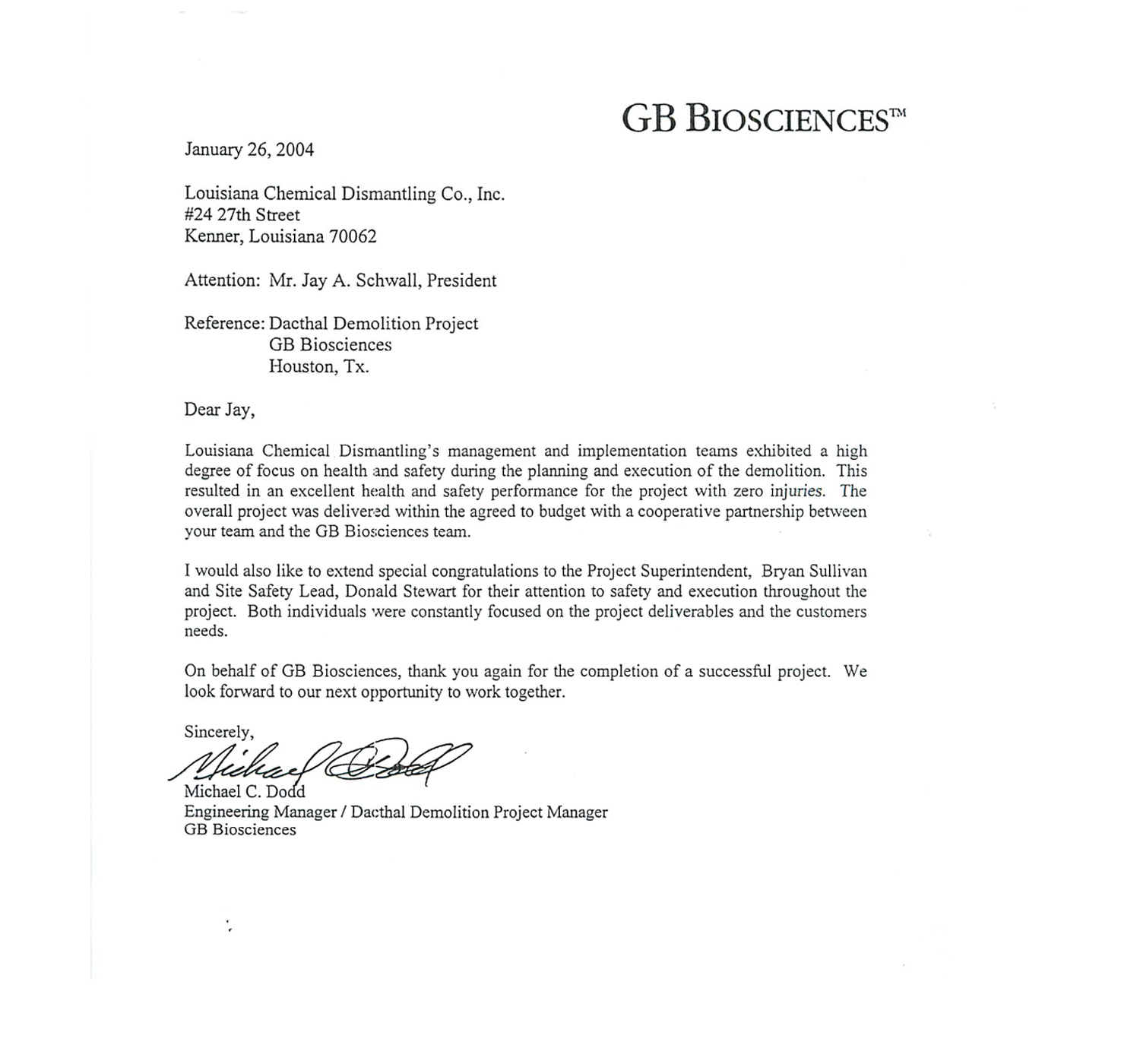
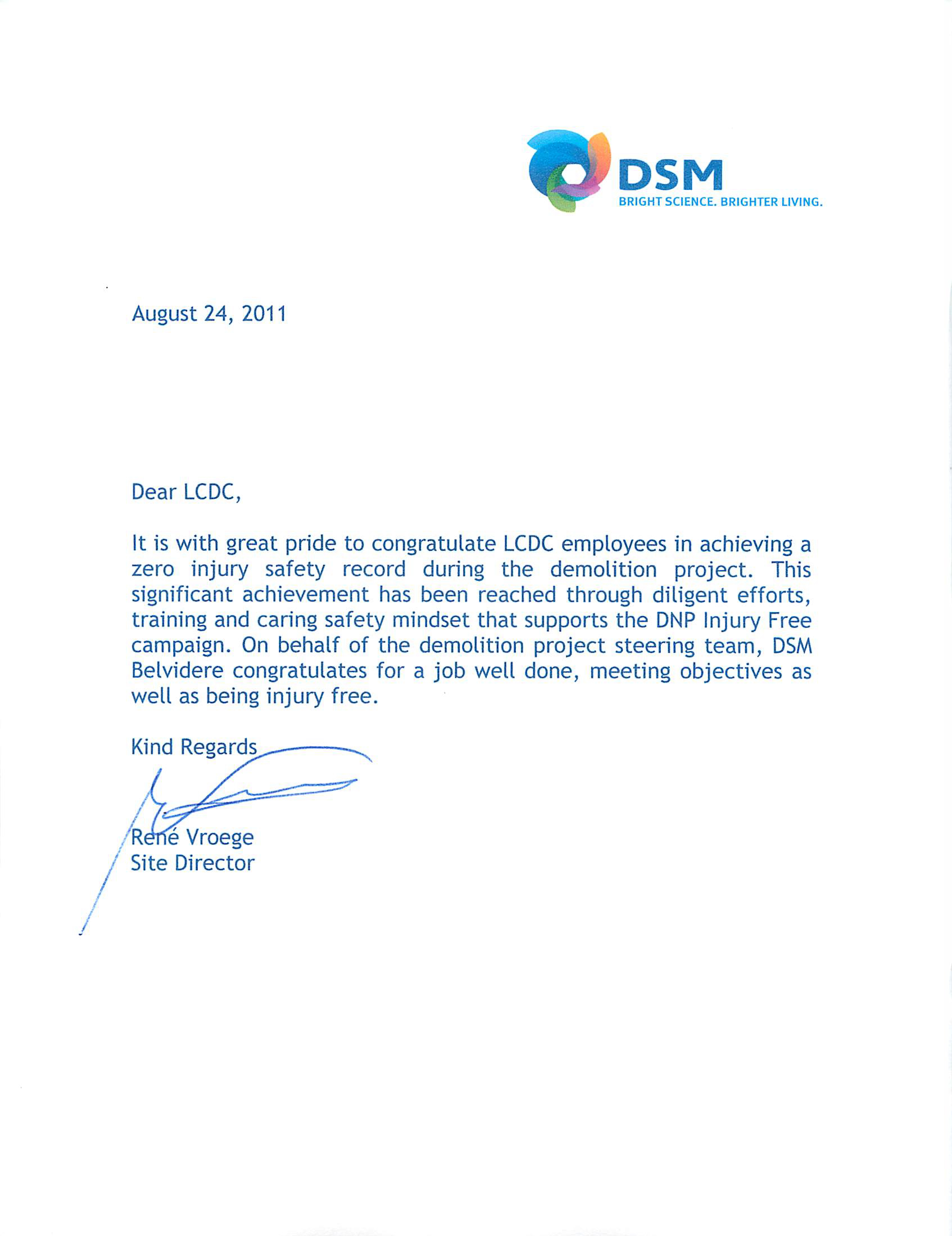
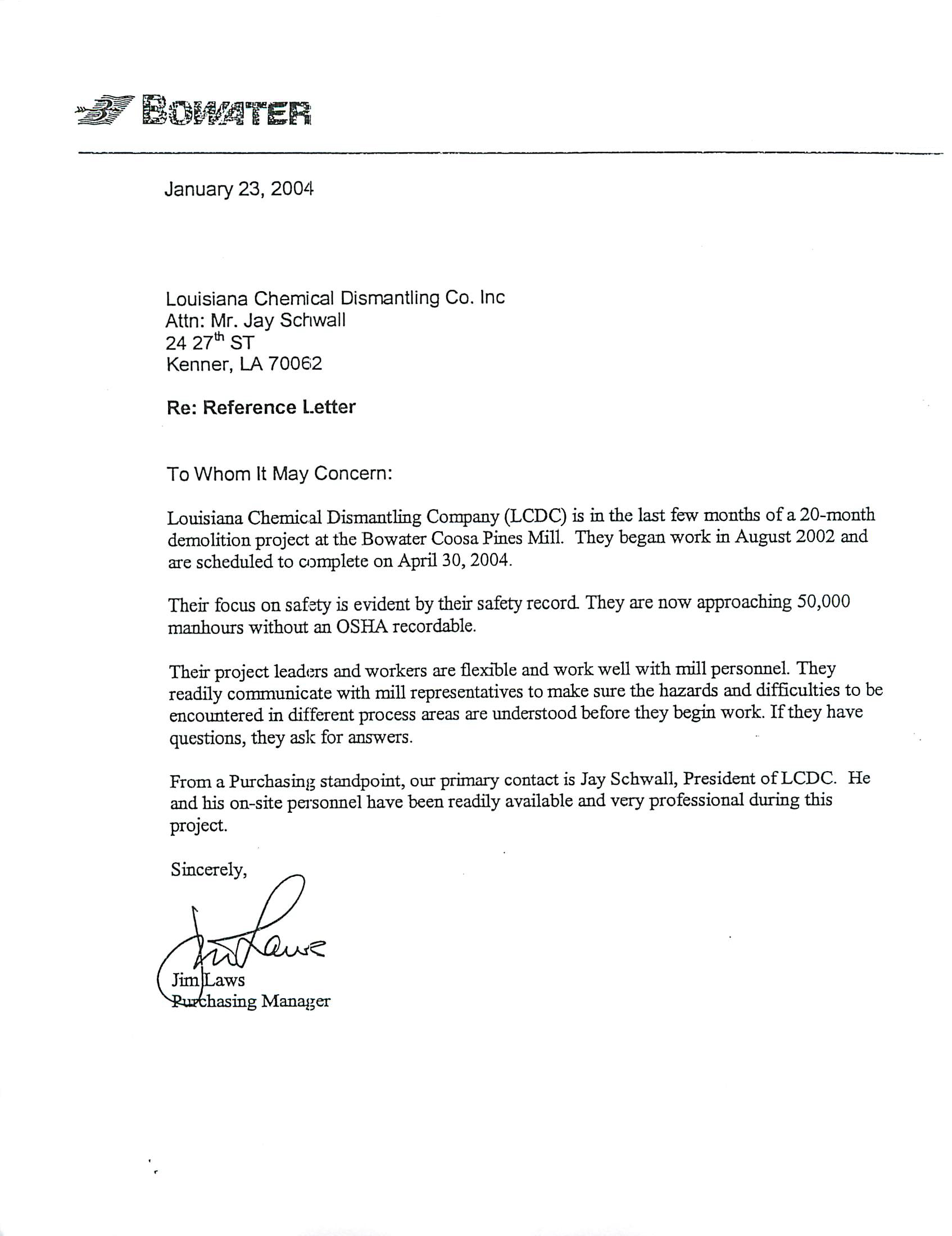
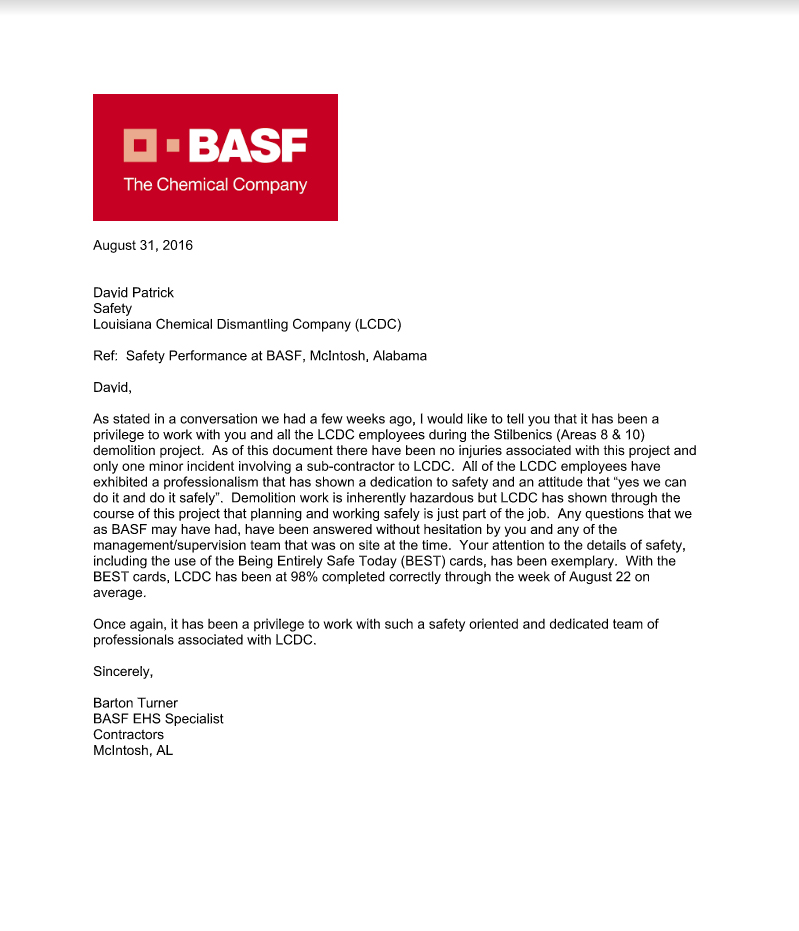
At LCDC, we always put our team’s and our client’s safety first. That is why all project planning and execution phases must be exactly as outlined in order to ensure task instructions are communicated clearly to all personnel involved in the project. At LCDC, safety is never an option.
The demolition industry helps communities reinvent and reimagine their future. LCDC delivers every demolition and dismantling project with precision engineering, technical expertise, and a steadfast commitment to safety.
LCDC specializes in turnkey plant dismantling solutions that transform retired facilities into recovered value. Through careful planning, skilled execution, and strategic asset recovery, we maximize returns from scrap metals, equipment, and reusable materials. Backed by decades of experience, our team safely and efficiently manages every phase of the dismantling process while minimizing environmental impact and operational risk.
When critical assets reach the end of their useful life or no longer fit operational needs, LCDC delivers value through expert asset recovery solutions. From industrial machinery and office equipment to complete facility decommissioning, we provide surgical removal and recovery services designed to maximize returns, streamline transitions, and unlock hidden value from idle assets.
Whether the project involves the purchase and relocation of a single process unit or an entire industrial facility, demolition and dismantling activities must be executed with exceptional precision and attention to detail. Industrial structures are often highly specialized and complex, requiring careful planning, technical expertise, and a thorough understanding of operational and structural intricacies to ensure a safe and efficient project outcome.
Environmental remediation involves the removal and treatment of contaminants from environmental media, including soil, groundwater, sediment, and surface water. LCDC provides comprehensive remediation solutions designed to mitigate environmental risks, ensure regulatory compliance, and prepare sites for redevelopment, asset recovery, or closure.